And why early support matters more than waiting it out
Most people notice it quietly.
A rolled ankle that once settled in a few days now lingers for weeks.
A sore shoulder after gardening takes longer to calm down.
A back strain that used to feel like a nuisance becomes something you have to plan your week around.
It is easy to explain this as simply “getting older.”
But that is only part of the story.
A better way to think about it is this:
As we age, recovery is still possible. It just becomes less automatic.
And that makes early support after an injury much more important.
A quick note before we get too far:
There’s also a small offer at the end of this week’s MagnaBlog for anyone thinking about putting together a Q Magnets kit for themselves, a parent, or someone they care about. It ties directly into today’s theme: early support is much easier when the right tools are already close at hand.
Recovery Is Not Just Repair
When we think about injury, we often imagine the body doing one job: repairing damaged tissue.
But recovery is more coordinated than that.
Inflammation has to arrive, do its job, and then settle. Muscles, tendons, joints, and connective tissue need the right conditions to adapt. The nervous system has to protect the area without becoming overprotective. Movement needs to return gradually without aggravating the injury.
In younger bodies, these systems often move through the process more smoothly.
With age, the same process can become slower and less forgiving.
Inflammation may hang around longer.
Tendons and muscles may take longer to settle.
The nervous system may become more sensitive when pain signals continue for too long.
This is why “just give it time” can sometimes become a problem.
Time helps many injuries.
But too much unhelpful time can allow guarding, stiffness, fear of movement, and nervous system sensitivity to become part of the pattern.
The Pattern Practitioners Often See
Practitioners hear this story often:
“I thought it would settle by itself.”
At first, that makes sense.
A person tweaks a knee, strains a lower back, irritates a shoulder, or flares up an old sciatic pattern. They rest for a few days and expect things to improve.
But then they start moving differently.
They avoid certain positions.
They stop loading the area normally.
They sleep poorly.
They tense up.
They become cautious.
By the time they seek help, the original irritation may no longer be the only issue.
Now the body has learned a protective pattern.
This is why early treatment becomes more important as we age. Not because every minor injury is serious, but because older recovery systems may have less margin for delay.
Jan Johnson’s Experience: Nipping Pain in the Bud

Jan Johnson’s Q Magnets story fits this idea beautifully.
Jan had already used magnets for years and felt she had seen “a fair amount of success” with pain and inflammation reduction. But she found Q Magnets performed better than the magnets she had previously used.
What stood out in Jan’s testimony was not just that she used magnets.
It was how she used them.
She noticed that once she discovered the correct position for the injury or site of inflammation, the response was “really quick and comprehensive.”
That detail matters.
Placement is not a minor technicality. In magnetic therapy, it can change the experience entirely.
Jan also observed that more chronic pain patterns needed a different approach. For sciatica, she found she needed to leave the magnets on for about a week. After that, if the pain returned, she noticed it seemed to take only a day or so to resolve when she applied them early.
Then, in an email from April 2022, Jan made the early intervention point even clearer.
She wrote that she and her husband were doing well with their “bigger collection of Q Magnets” and used them regularly, adding that it was “a great relief to nip those pains in the bud before they flare and really get in the way of mobility.”
That phrase captures the whole lesson.
Early support is not about panic.
It is about preventing a small problem from becoming a bigger pattern.
You can read Jan’s full story here:
https://qmagnets.com/how-jans-uses-magnetic-therapy-for-ongoing-pain-relief-and-recovery-support/
Field, Dose, Placement — In Real Life
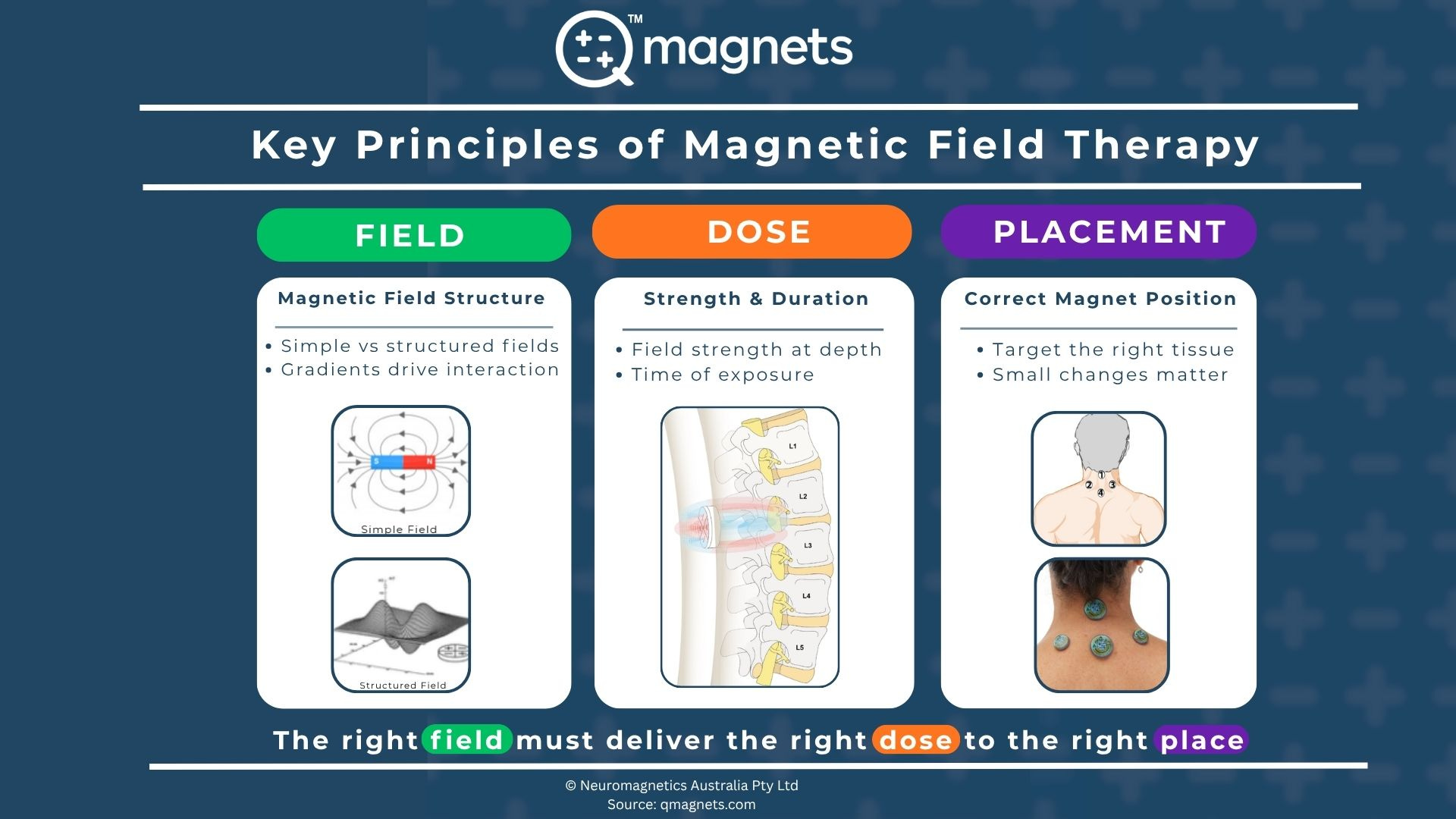
Jan’s experience is also a practical example of Field | Dose | Placement.
The field matters because not all magnetic fields are the same. Q Magnets use engineered multipolar designs that create localized static magnetic field gradients.
The dose matters because exposure time, consistency, magnet size, and tissue depth all influence the recovery environment.
Placement matters because the magnet must be positioned in relation to the relevant tissue, joint, nerve pathway, or painful area.
Jan noticed all three in practice.
She found that correct positioning changed the response. She found that chronic pain required longer exposure. She found that early use helped her act before pain became more disruptive.
That is very different from treating magnetic therapy as a one-size-fits-all approach.
It is more precise.
And it is more practical.
Why Early Support Matters More With Age
As recovery slows, the nervous system has more time to rehearse pain.
This does not mean pain is imaginary. It means the body can become better at protecting an area, even after the original irritation has started to settle.
A small movement may feel larger than it should.
A normal stretch may feel threatening.
A mild flare-up may create more guarding than expected.
This is one reason early treatment should not only focus on tissue repair.
It should also support comfort, movement confidence, and nervous system regulation.
Q Magnets are not a replacement for diagnosis, rehabilitation, or appropriate medical care. But when used thoughtfully, they can create a localized wearable recovery environment that may help support comfort while the body does its work.
For older adults, that timing can matter.
Not because the body cannot recover.
But because recovery often needs better conditions.
Keep Them Close
Early support only helps if the tool is available when you need it.
This is why it makes sense to keep a set of Q Magnets close at hand.
Keep them in your gym bag.
Pack them when you travel.
Take them when you go hiking, cycling, golfing, running, or exercising.
Have them nearby when gardening, lifting, or doing the activities most likely to stir up an old injury.
Many people wait until pain has fully flared before they act.
Jan’s approach points to a better pattern: apply support early, place it carefully, and give the body consistent help before pain starts interfering with mobility.
Of course, early support does not mean ignoring proper assessment.
If there is severe pain, major swelling, deformity, numbness, loss of strength, inability to bear weight, or symptoms that do not make sense, seek medical advice.
But for everyday strains, flare-ups, and minor injuries, the first few days matter.
They are a window to reduce irritation, maintain gentle movement, avoid unnecessary guarding, and support the nervous system before pain becomes more entrenched.
Practical Takeaway
When you experience a minor injury or flare-up, ask:
Is this settling, or becoming more protective?
Am I moving normally, or compensating?
Is sleep being affected?
Is the area becoming more sensitive rather than less?
Have I placed support directly over the most relevant area?
Do I have my Q Magnets nearby, or did I leave them at home?
Recovery after 50 is not about accepting slow healing as inevitable.
It is about creating a better recovery environment earlier.
And sometimes, that starts before the pain has a chance to flare.
Until next time, stay curious and stay well,
James Hermans
and the Q Magnets Team
The Weekly Reframe
“Early support is easier than chasing pain later. Keep your Q Magnets close when you travel, exercise, hike, garden, or do anything that may stir up an old injury. As Jan put it, the goal is to nip those pains in the bud before they flare and get in the way of mobility.”
A Thought for Someone You Care About
Do you have a parent, partner, or loved one who is getting on a bit, whether they like to admit it or not?
Maybe they still garden, walk, golf, travel, hike, or insist on doing “just one more thing” around the house. And maybe you have noticed that the little aches, strains, and flare-ups are taking longer to settle than they used to.
This is where having Q Magnets close at hand can be a practical investment in their comfort, mobility, and independence.
Not just for when pain has already become a problem.
But for those early moments when something starts to niggle, tighten, or flare before it gets in the way of moving well.
Use coupon code EARLY to receive 10% off and help someone you care about build their own recovery support kit.

Because early support is much easier than chasing pain later.
Featured Article
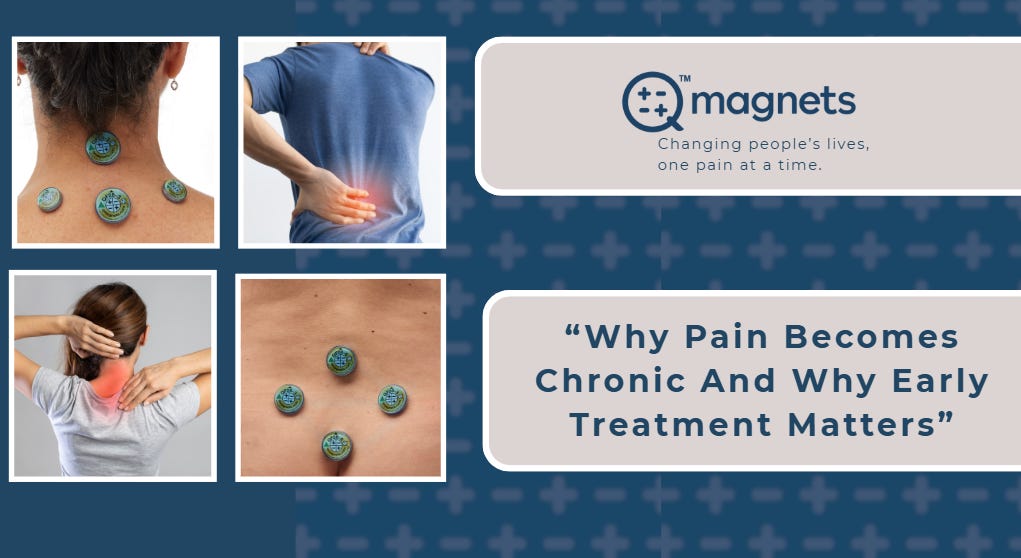
Why Pain Becomes Chronic And Why Early Treatment Matters
Field, Dose and Placement in Magnetic Field Therapy
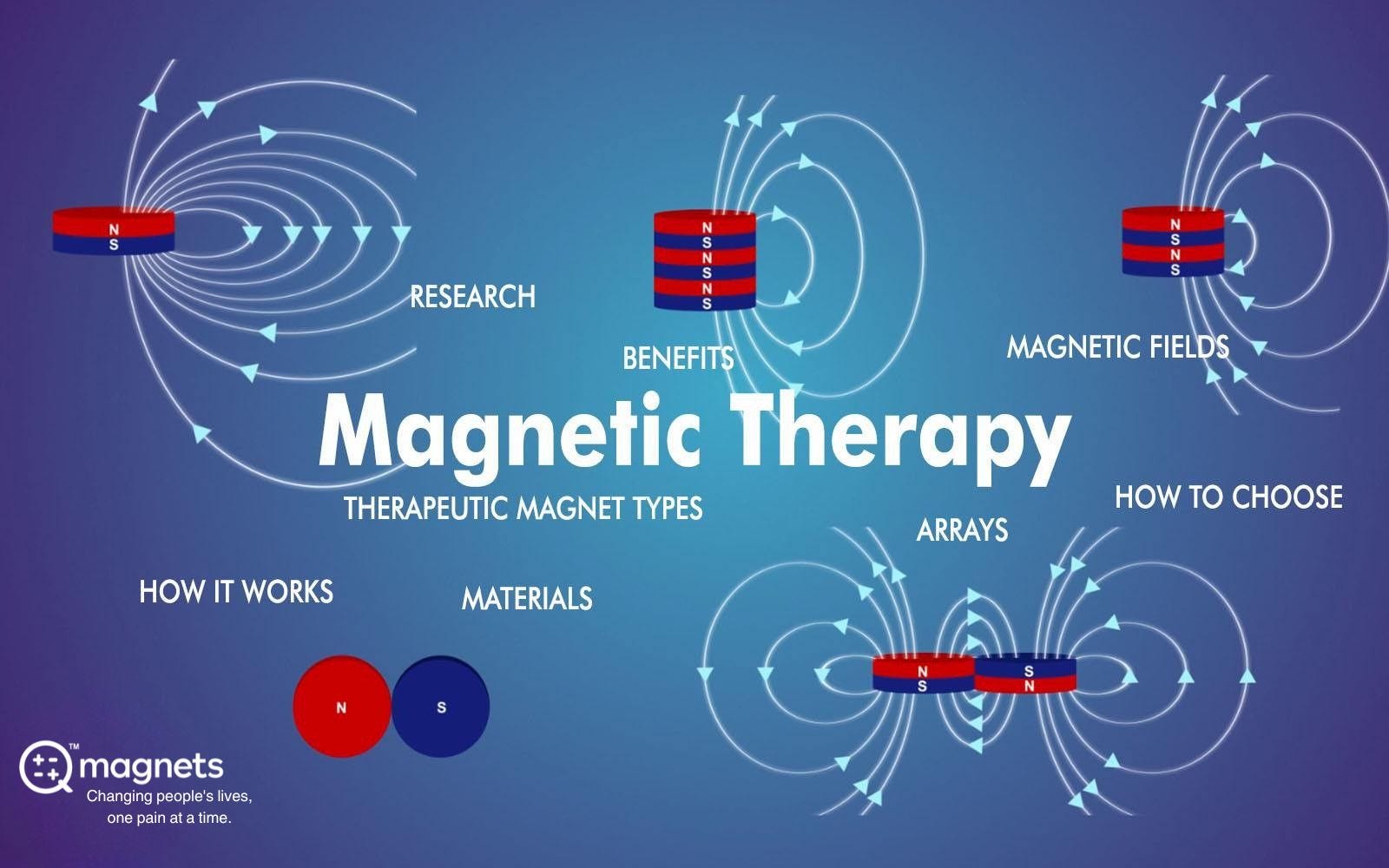
Magnetic Therapy