


Why Are Simple, Low-Risk Therapies Still Met with Resistance?
There was a time, not that long ago, when patients with chronic pain underwent procedures that permanently destroyed nerves.
Cordotomies. Rhizotomies. Neurectomies.
In some cases, relief came. In many others, the pain returned - sometimes worse than before.
Today, those approaches are used sparingly, and often only as a last resort.
So it raises a reasonable question:
Why is a non-invasive, low-risk therapy like magnetic field treatment so often dismissed, sometimes outright, while far more extreme interventions were once considered acceptable?
This isn’t a criticism of doctors. It’s a question worth exploring.
A Brief Look Back at Pain Treatment
For decades, pain was treated as a simple wiring problem.
If pain signals travelled along nerves, then the logical solution was to interrupt those signals.
And so, medicine developed a range of ablative procedures:
Cutting peripheral nerves (neurectomy)
Severing nerve roots (rhizotomy)
Interrupting spinal pathways (cordotomy)
These procedures were not reckless. They were based on the best available understanding at the time.
But over time, limitations became clear:
Pain often returned
New types of pain emerged
The nervous system adapted
What changed wasn’t just the treatments, it was the understanding of pain itself.
The Shift from Destruction to Modulation
Modern pain science recognises that pain is not just a signal.
It is:
Processed
Amplified
Modulated
Influenced by multiple systems
This shift gave rise to:
Multidisciplinary pain clinics
Neuromodulation techniques
Conservative and non-invasive approaches
The philosophy moved from:
“Cut the signal”
to
“Influence the system”
This is covered in a recent blog post – Why Pain Becomes Chronic and Why Early Treatment Matters.
Where Magnetic Field Therapy Fits In
Magnetic field therapy sits firmly within this modern paradigm.
Rather than destroying tissue or blocking nerves, it aims to interact with biological processes in a subtle and localised way.
At its core, it is a therapy that is:
Simple
Drug-free
Non-addictive
Non-invasive
Painless
Safe
Localised in effect
Able to be used at home
Paid for by the individual
Supported by a growing body of scientific research
And the devices themselves are remarkably straightforward:
No maintenance required
Long-lasting (often years to decades)
No moving parts
Low cost compared to many alternatives
No energy consumption
Minimal training required
And when not in use…
it can still hold a note on the fridge.
A Personal Observation from Clinical Practice
Over the years, we’ve seen patients, particularly those with complex conditions like trigeminal neuralgia, experience meaningful relief using Q Magnets.
In more than one case, patients were under the care of the same neurologist.
With their permission, we reached out to explore something simple:
an observational clinical trial
No demands. No disruption. Just curiosity and collaboration.
There was no response.
Why the Resistance?
This is where things become interesting.
The resistance is rarely about safety.
Magnetic field therapy has a strong safety profile.
It’s rarely about cost.
It’s often far less expensive than ongoing interventions.
More often, it comes down to:
1. Familiarity bias
Clinicians are trained in specific models. Therapies outside that framework can feel uncertain.
2. Evidence hierarchy
Even when supportive evidence exists, if it doesn’t fit conventional structures, it may be overlooked.
3. Mechanism uncertainty
If a therapy doesn’t have a clearly accepted mechanism, it’s harder to adopt, even if outcomes are positive.
4. Professional risk
Trying something new carries perceived reputational risk, even when the physical risk is low.
A Reasonable Question
None of this diminishes the role of modern medicine.
Doctors save lives.
They manage complex disease.
They operate under pressure, responsibility, and scrutiny.
But it does leave us with a fair and important question:
If a therapy is safe, simple, and shows promise -
why wouldn’t we at least be open to exploring it?
The Opportunity Ahead
Neuromagnetics is an emerging field.
It sits at the intersection of:
physics
biology
clinical practice
And it offers something increasingly valuable:
A low-risk, accessible way to engage with complex biological systems.
The future of medicine is unlikely to be purely invasive or purely pharmaceutical.
It will be layered.
And therapies that are:
safe
scalable
patient-controlled
will play an important role.
Until next time, stay curious and stay well,
James Hermans
and the Q Magnets Team
Featured Product: QF28-3
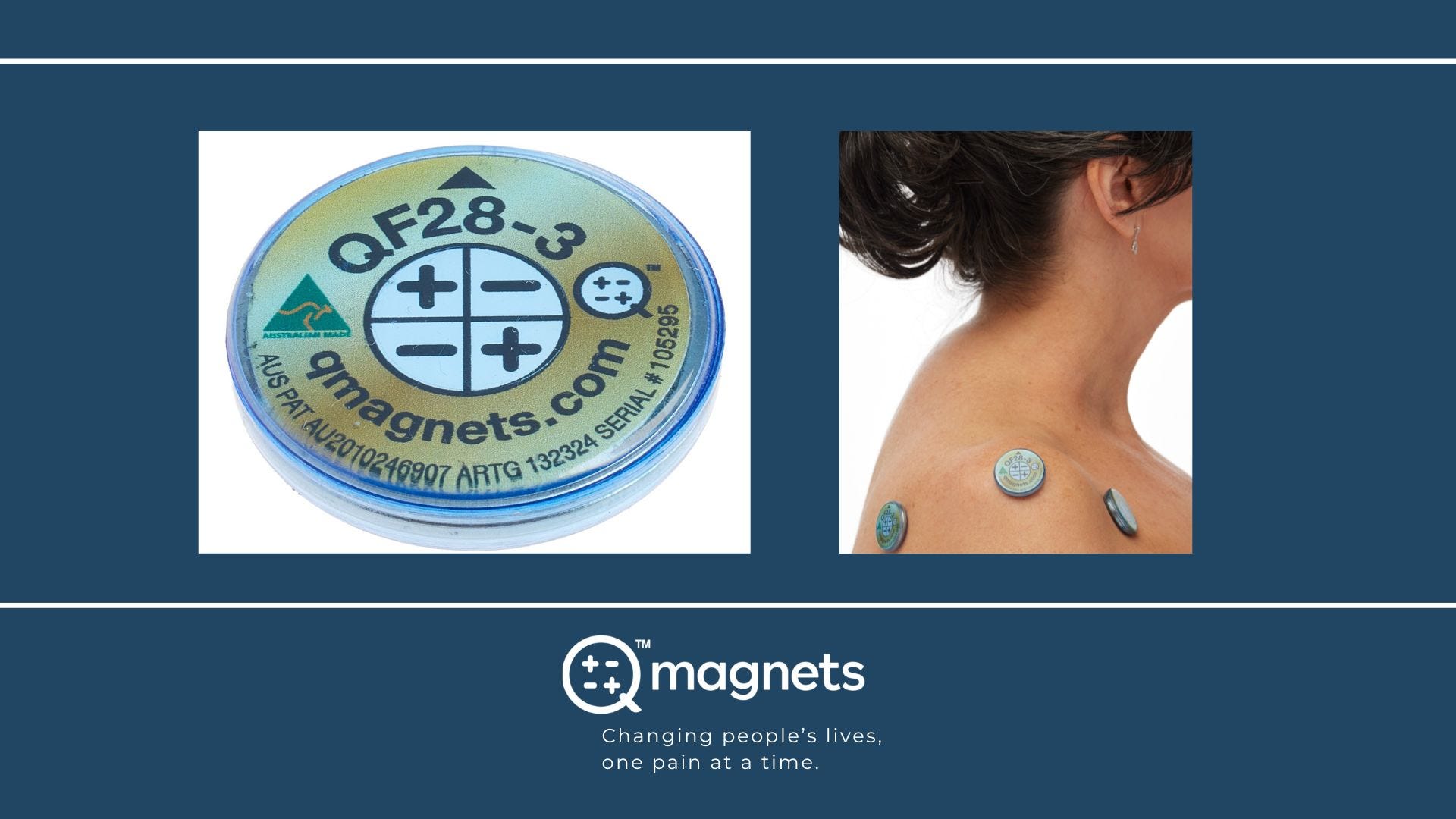
👉 View Product: https://qmagnets.com/product/QF28-3/
The QF28-3 is one of our most widely used devices, particularly among health professionals seeking a simple, reliable adjunct for pain management.
Designed with a low-profile form factor, it sits comfortably against the body and can be worn throughout the day without interfering with normal movement.
At its core is a quadrapolar neodymium magnet, combined with a flux-focusing plate and housed in medical-grade plastic, engineered to deliver a concentrated, dynamic magnetic field to a localised area.
Why it’s widely used
Comfortable and discreet
Still powerful enough for larger joints
Suitable for extended wear
No power source required
Simple to apply and reposition
Durable and long-lasting
Common application areas
Lower back
Neck
Shoulders
Knees
Localised soft tissue injuries
Whether used during daily activity or at rest, the QF28-3 is designed to provide a practical, low-risk option for those looking to support recovery and manage pain without drugs or invasive procedures.
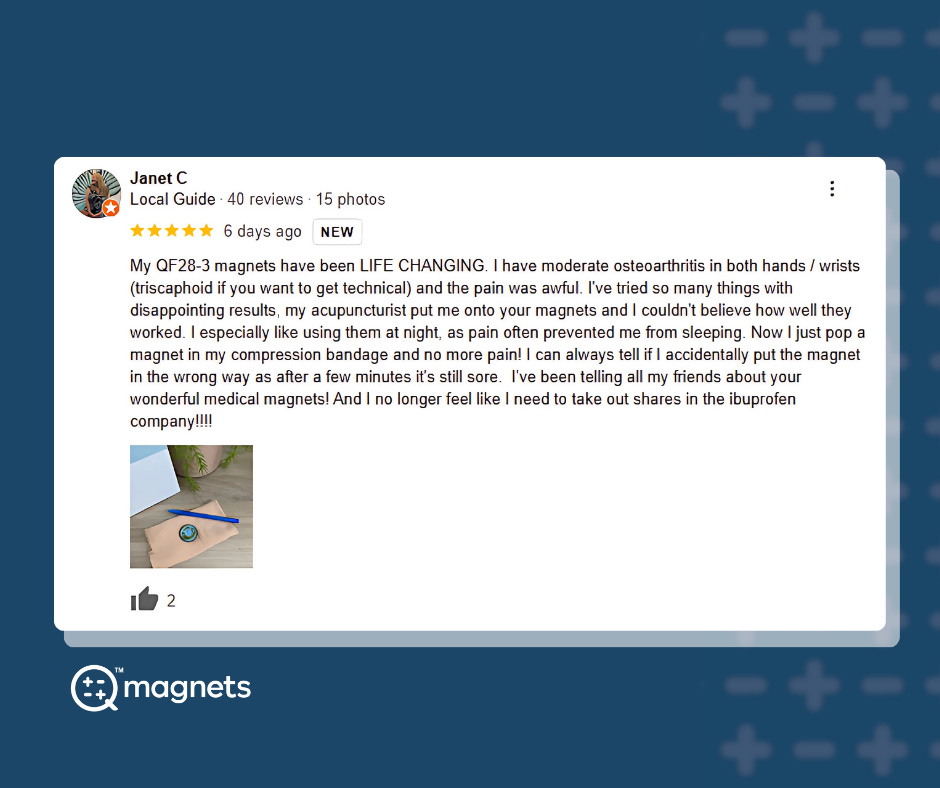
“LIFE CHANGING”
“no more pain”
“I can always tell if I put it in the wrong way”
“Now I just pop a magnet in my compression bandage… and no more pain.”
Featured Articles
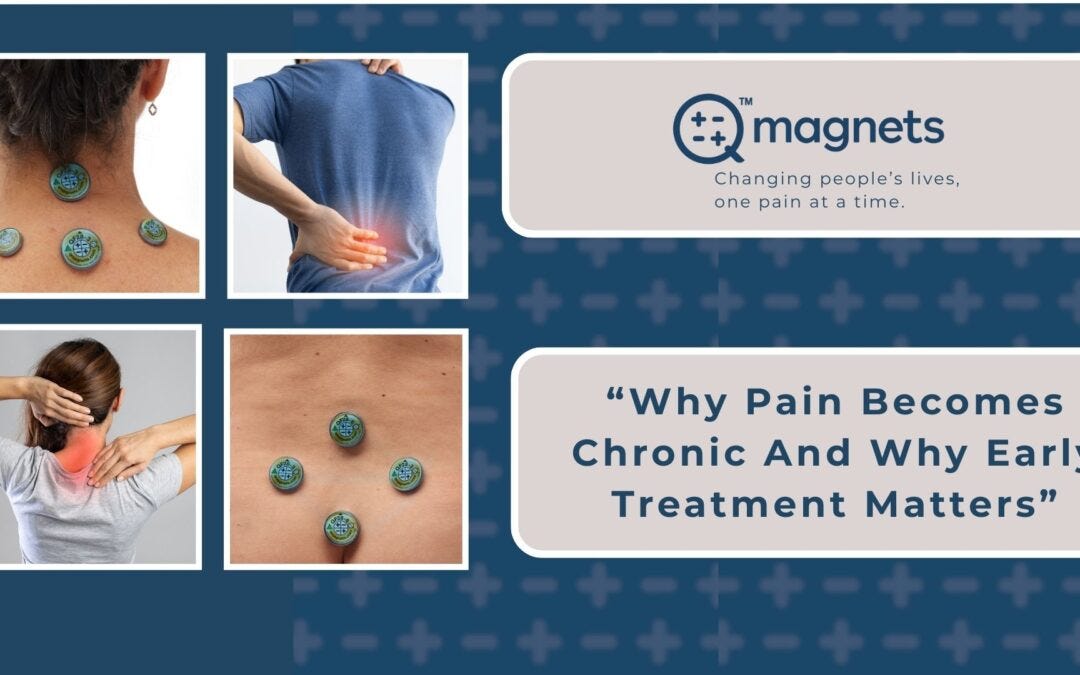
Why Pain Becomes Chronic And Why Early Treatment Matters
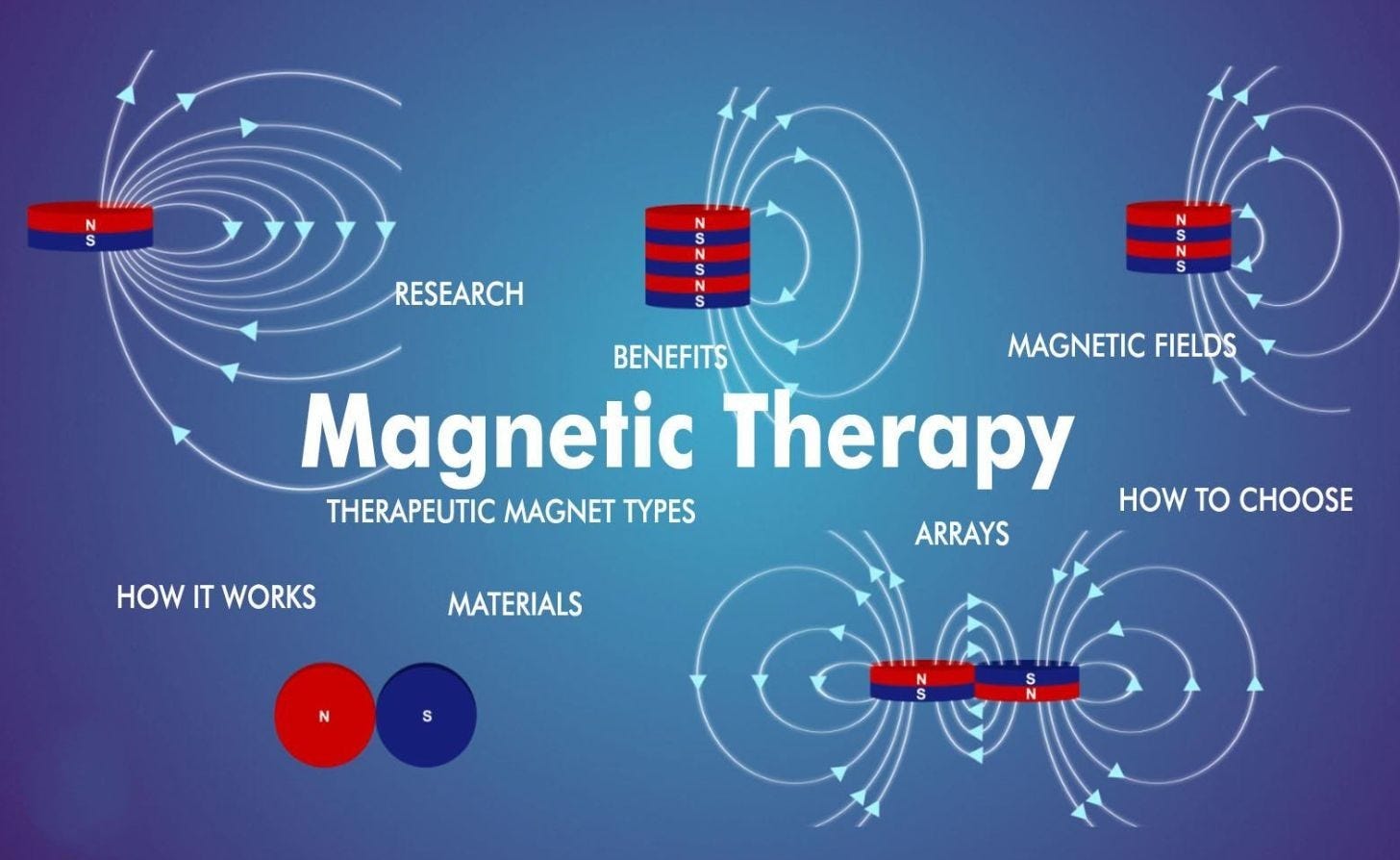
Unlocking the Science of Magnetic Field Therapy: Myths, Facts, and Breakthroughs
When Pain Is a Signal Worth Listening To
On reflection, not all clinicians resist new approaches. Some actively seek them out.
At a WALT (World Association for Photobiomodulation Therapy) conference, a GP from Sydney spoke about the reactions he receives for integrating acupuncture and laser therapy into his practice.
When I mentioned - wait until you start using magnets, he replied...“I’ll wear it like a badge of honour.”
That kind of openness is what drives progress.