

Have We Lost Nuance in Our Public Messaging?
This week I heard two very different conversations.
One about cholesterol.
One about sunscreen.
Both made me wonder the same thing:
Have we lost nuance in the way we talk about health?
Recently, Australia’s ABC aired criticism of Dr Ross Walker, a cardiologist known for emphasising lifestyle interventions, nutrition and targeted supplementation.
That alone is interesting. Modern cardiology is largely structured around procedures and pharmaceuticals, which absolutely have their place.
But when a clinician prioritises prevention first, movement, metabolic optimisation, diet and micronutrients it often attracts skepticism.
This week, a family member struggling with fatigue and elevated homocysteine saw Dr Walker. Among other recommendations, he suggested ubiquinol (CoQ10).
The feedback?
“It feels like I’ve gained three extra hours in my day.”
Nothing radical. Nothing mystical.
Just biology supported instead of suppressed.
The larger question isn’t whether lifestyle works.
It’s whether financial structures quietly shape which approaches are amplified, and which are scrutinised.
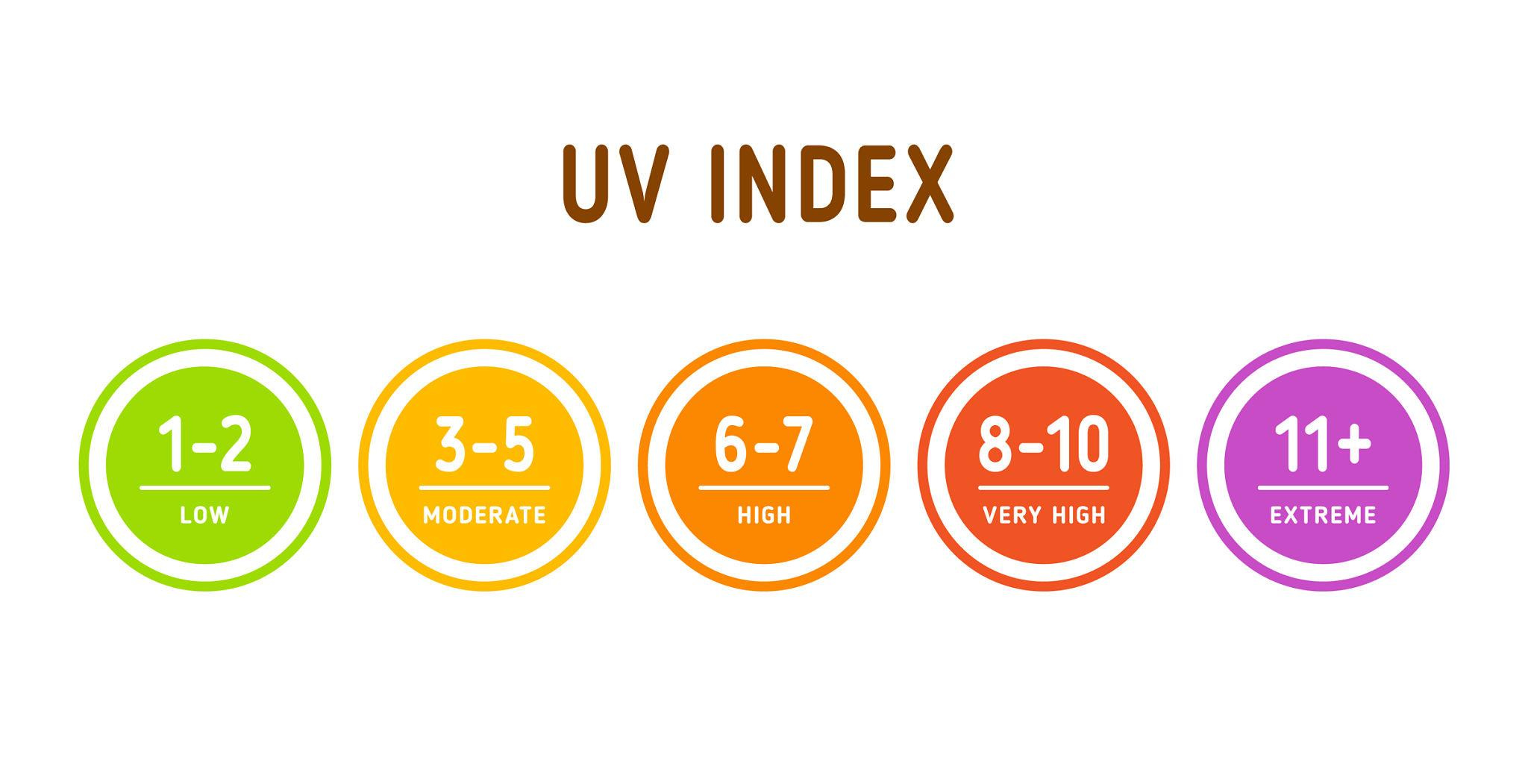
Last year I had my first skin check.
I asked what I thought was a reasonable question:
“What’s an acceptable amount of sun exposure depending on UV index?”
The answer surprised me.
“There is no acceptable exposure. Always wear sunscreen.”
Avoiding sunburn? Sensible.
Chronic overexposure? Clearly harmful.
But zero acceptable exposure?
Sunlight drives circadian rhythm regulation.
It influences mitochondrial function.
It supports vitamin D production.
It shapes hormonal timing and immune signalling.
Vitamin D deficiency is now widespread, even in sunny countries like Australia.
Somewhere along the way, “avoid getting burnt” quietly shifted toward “avoid sun.”
And when messaging becomes absolute, nuance disappears.
This week a long-time customer shared something familiar.
His wife used to tease him about magnets.
Until she had knee surgery.
He placed Q magnets over the joint during recovery.
Her response?
Surprise.
Reduced discomfort.
Improved mobility.
A shift from skepticism to curiosity.
Not because she was persuaded.
Because she experienced it.
That’s often how belief changes, not through argument, but through outcome.
Where Do “Irrational Beliefs” Come From?
We tend to assume irrationality lives on the fringe.
But sometimes it appears in mainstream absolutes:
Cholesterol is always the enemy.
Sun exposure is always dangerous.
Anything outside pharmaceutical pathways must be questionable.
Biology is rarely absolute.
It is contextual. Adaptive. Responsive.
Magnetic fields are not mystical forces.
They are physical phenomena interacting with electrically active tissues.
Every cell in the body functions via charge gradients and ion movement.
The question isn’t whether magnetic fields interact with biology.
The real question is how, when, and at what dose.
That deserves investigation, not dismissal.

When you share Q Magnets, you’re helping people like Dean, thanks to this innovative technology. Your advocacy can make a real difference in the lives of those struggling with chronic or inflammatory pain.
A Quiet Cost of Certainty

When discussion becomes taboo, exploration narrows.
This does not imply conventional medicine is wrong. It has extraordinary strengths. But exclusion of adjunctive approaches can limit patient options unnecessarily.
Lifestyle.
Sunlight.
Micronutrients.
Magnetic fields.
These are foundational environmental and biological forces. Their effects depend on dose, timing, and context.
Sometimes the most powerful interventions are not dramatic. They are incremental and physiological.
Have You Changed Your Mind Before?
If you’ve ever dismissed something and later experienced it differently? I’d genuinely like to hear about it.
Some of our most compelling stories come from former skeptics.
And if you’re quietly curious…
There’s nothing radical about trying a low-risk, non-invasive intervention and observing your own outcomes.
That’s simply applied biology.
Until next time, stay curious and stay well,
James Hermans and the Q Magnets Team
Featured Articles:
Response to RACQ magazine “The Road Ahead” article on magnetic therapy.

Are the Dinosaurs of Medicine the Innovators or the Sceptics?

Debunking myths around magnetic therapy and blood flow.
Such a thought-provoking post. Thank you for sharing your insights.