Over the past few months, we’ve been spending a lot of time behind the scenes…
Not launching new products.
Not running promotions.
But doing something just as important:
Trying to make magnetic therapy easier to understand.
Because if we’re honest, this space can get confusing.
One article says magnets increase blood flow
Another says they don’t
Some claim strong effects
Others dismiss it entirely
And somewhere in the middle…
Most people are left wondering:
“So… do they actually work or not?”
Why So Many Answers Are “Yes, No… and Maybe”
One of the biggest shifts in our thinking has been this:
Many questions about magnetic therapy don’t have a single fixed answer.
They have a context-dependent answer.
Which means:
Yes, in some situations
No, in others
And sometimes… it depends
That might sound like a cop-out.
But it’s actually a more accurate reflection of how the body works.
1. Do Magnets Increase Blood Flow?
This is one of the common questions we get.
And it’s a perfect example of why things can seem contradictory.
Do magnets increase blood flow?
Yes… no… and sometimes.
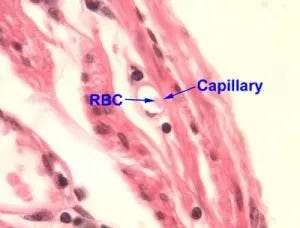
Here’s what we see in the research:
Some studies show increased microcirculation
Some show no measurable change
Others suggest different effects depending on the tissue state
So which one is correct?
All of them, in the right context.
Because magnetic fields don’t force the body in one direction.
They appear to interact with systems already in play, including:
Nerve signalling
Ion channel behaviour
Local vascular tone
Which means the outcome depends on what’s happening in that tissue before the magnet is applied.
2. Why the Debate Exists
Most of the confusion comes from trying to simplify something that isn’t simple.
We tend to ask:
“Do magnets increase blood flow?”
When the better question is:
“Under what conditions might magnetic fields influence blood flow?”
It’s a bit like asking:
“Does exercise increase heart rate?”
During exercise → yes
At rest over time → it may actually lower it
In different individuals → results vary
Magnetic therapy behaves in a similar way.
What We’ve Been Doing Differently
Instead of chasing one explanation like blood flow, we’ve been working on a more practical way to understand and apply magnetic therapy.
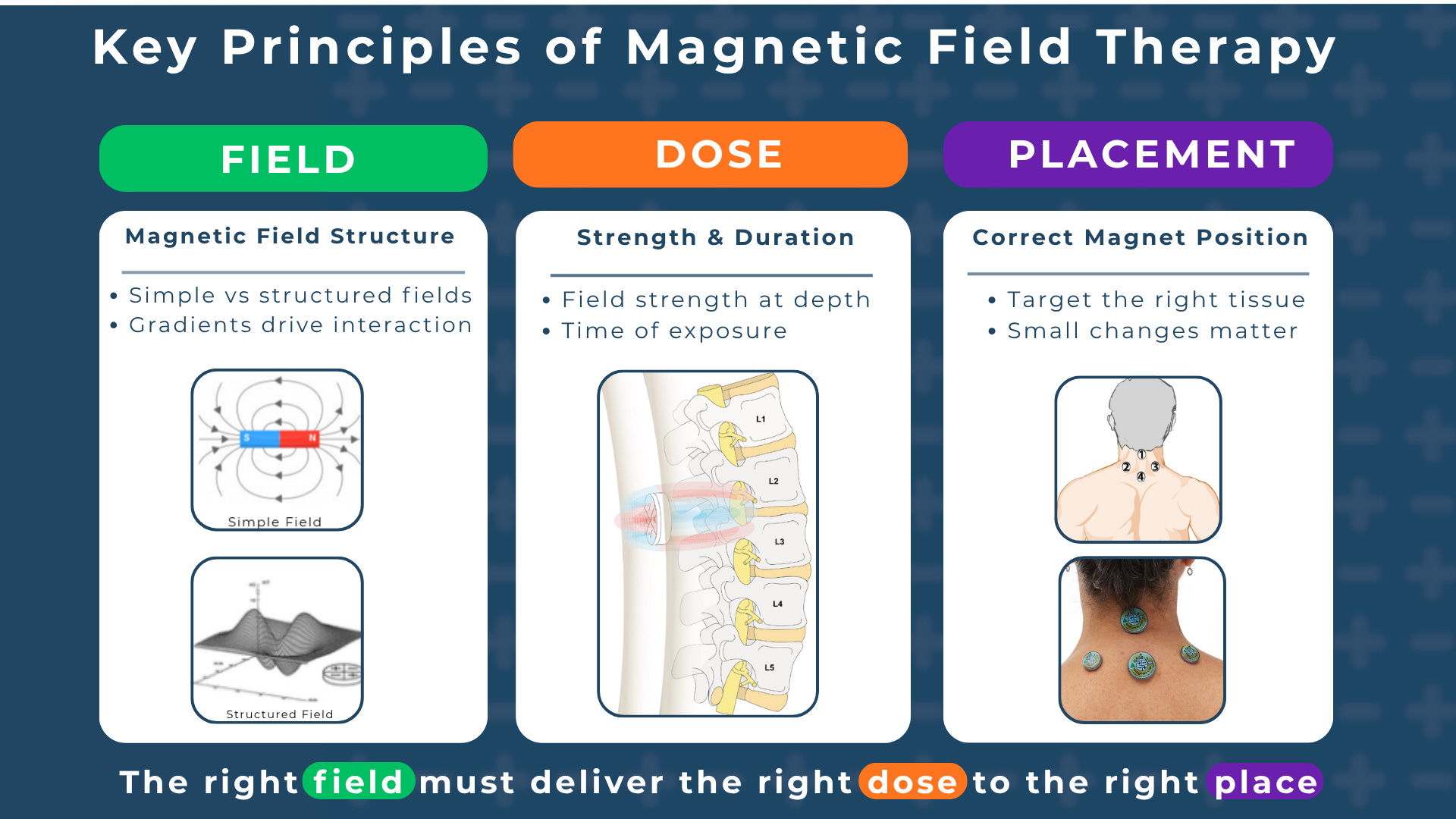
Because what really matters is:
The type of field
How much reaches the target tissue
Where it’s applied
When you look at it this way, the “yes / no / maybe” starts to make sense.
And more importantly…
It becomes useful.
Two Pages That Bring This Together
We’ve recently updated two key articles to reflect this clearer approach:
A practical overview of how to think about magnetic therapy without getting lost in complexity.
👉 Debunking Myths Around Blood Flow
A deeper dive into why the blood flow question has caused so much confusion and how to interpret it properly.
What Would You Like Us to Cover?
We don’t ask this often, but we should.
If there’s something you’ve been wondering about, or something that hasn’t been clearly explained…
Just reply and let us know.
It could be:
A condition you’re dealing with
A question about how to use magnets
Something you’ve read that didn’t quite add up
We read every response, and it helps shape what we create next.
A Small Thank You (Coming Soon)
We know many of you have been following along for a long time.
So shortly, we’ll be putting together a subscriber-only offer.
No pressure, just something useful if you’ve been thinking about getting started or going a bit deeper with your current setup.
Final Thought
If there’s one thing this deeper dive has reinforced, it’s this:
Magnetic therapy isn’t about simple answers.
It’s about understanding the context.
And once that becomes clearer…
Everything else starts to fall into place.
But there’s also another side to this.
Not everyone wants to understand the “how”.
Some people just want to know:
Does it help?
And that’s completely fair.
Because in the end…
the real measure is the outcome.
The benefits.
The relief.
The day-to-day difference.
Or as the saying goes:
The proof is in the pudding.
And that’s where we know Q Magnets consistently perform.
If you haven’t already, the two updated articles above are a great place to start.
And if you have a question, just hit reply.
Until next time, stay curious and stay well,
James Hermans
and the Q Magnets Team
Featured Article